Six Weeks, Five Days, One Standard: What the Coal-to-Gas Process Taught Me About Working Fast
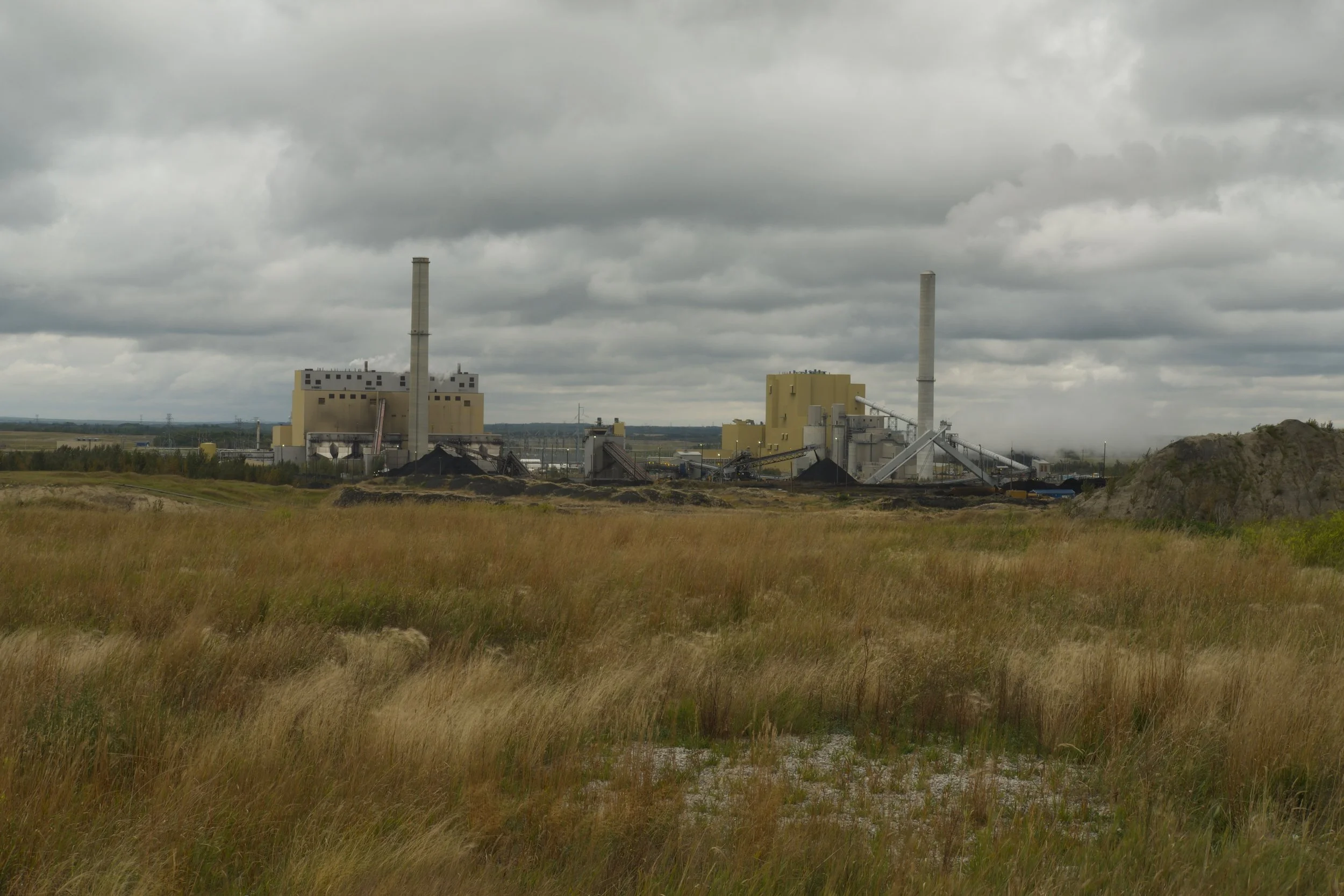
Keephills Electricity Generating Station, west of Edmonton.
In October 2017, Alberta's Deputy Minister of Environment and Parks sent a letter to the Clean Air Strategic Alliance with a simple request and a firm deadline: develop a NOx emission standard for coal-fired electricity units converting to natural gas. Have it done by December 31st.
The stakes were real. Utility companies were facing imminent investment decisions worth hundreds of millions of dollars. Environmental organizations had hard positions on what acceptable emissions looked like. And everyone knew that if the process failed, the government would simply impose a standard on its own.
I was the facilitator.
What followed was intense. The timeline was unforgiving and the technical complexity was real. The group had access to a third-party engineering report from Black & Veatch that laid out the performance possibilities for different conversion technologies - a coal-to-gas conversion had never before occurred in Alberta. My job was to help a room full of people with fundamentally different interests read the same report and find an emissions number they could all live with.
We met three times, for a total of five days, over about six weeks.
Before the first meeting, I worked through where this process could go sideways. Some of it was about people: who might disengage, who had a history of being difficult, who needed a phone call before day one just to feel heard. Some of it was about the political risk of a key stakeholder walking away and trying to kill the outcome at the board level, a real possibility when the stakes are this high. Some of it was about the process itself: whether people understood their own reciprocal responsibilities, and whether the scope was actually doable in the time available. For each scenario, I thought through a response in advance. Most of it I never needed.
The approach was interest-based throughout. Rather than asking people to argue from fixed positions, I kept pushing the conversation toward underlying needs: What does your organization actually need from this standard? What does a good outcome look like for the communities you represent? What are you genuinely worried about? Shifting from positions to interests is often where the space for agreement opens up.
The facilitation questions I brought into each meeting were designed to open that space gradually. In the first meeting, before anyone touched the engineering report, I asked people to describe their interests relative to the problem, not their positions. What criteria would they use to evaluate a good outcome? What did they need to be able to say yes? I used those answers to build a shared evaluation tool that the group could apply to the options Black & Veatch had laid out. By the time we got to meeting two, we weren't arguing about values anymore. We were using them as a lens to assess technical options. That sequencing matters.
By the time we reached the December board meeting, the working group had reached full consensus on a Coal-to-Gas NOx Emission Standard that set a 50% reduction below each unit's baseline emission rate, with a design target of 55%. Utilities, ENGOs, and the government all signed on. The CASA Board approved it. The Government of Alberta subsequently adopted it.
Five days of meeting time that resulted in one consensus recommendation.
The Coal-to-Gas process is a reminder of what becomes possible when the scope is tight, the stakes are clear, and the people in the room believe that the process is the only avenue available to them.
Sometimes constraints are a gift. When everyone knows there's no end run, they show up and do the work.
